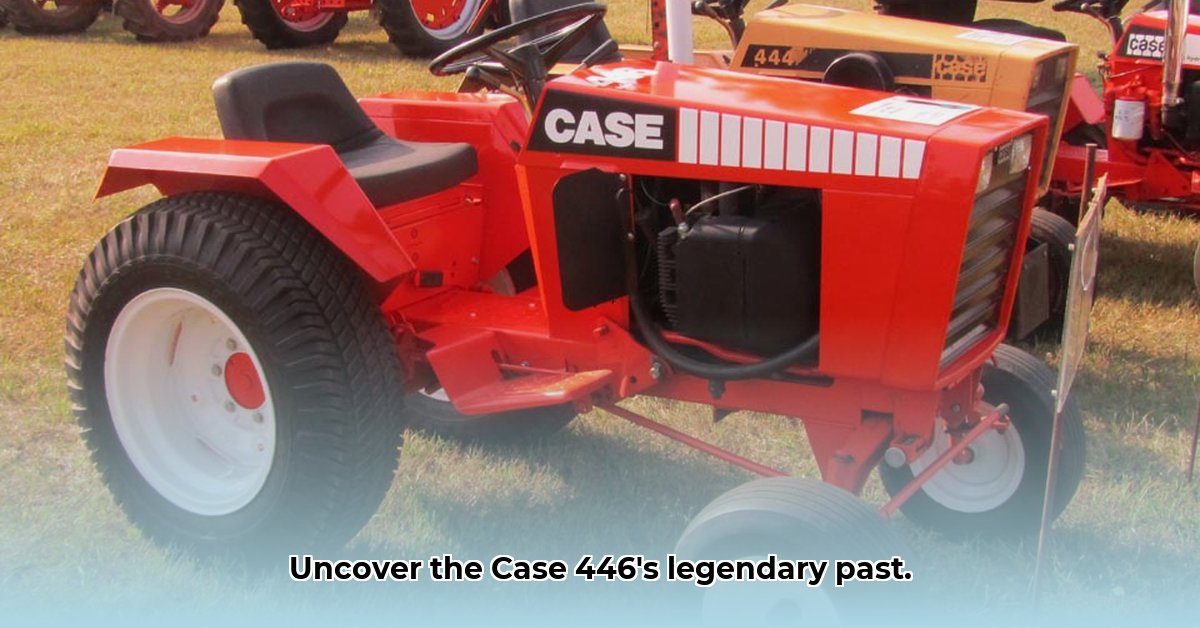
The J.I. Case 446 lawn tractor, produced from 1972 to 1988, wasn't merely a lawnmower; it was a robust, dependable workhorse for homeowners. Its enduring popularity among collectors and enthusiasts speaks volumes about its quality and innovative design. This article delves into the Case 446's history, technical specifications, maintenance, and restoration, appealing to both those interested in its historical significance and those seeking practical advice. We'll explore its powerful engine, versatile capabilities, and the passionate community that keeps this classic machine running. For more images of the Case 446, check out this gallery.
The Heart of the Beast: Power and Performance
The Case 446's power source was the Onan engine, a reliable workhorse that provided ample power for various tasks. Although sources vary slightly on exact horsepower, most agree it delivered approximately 16 horsepower from its roughly 710 cubic centimeter displacement. However, its true innovation lay in its hydraulic drive system – a remarkably smooth operator for its era. Unlike the jerky manual transmissions of many competitors, the Case 446 offered a luxurious, effortless mowing experience. This advanced feature truly set it apart, contributing significantly to its enduring appeal. Isn't it fascinating how such a seemingly simple feature could revolutionize lawn care?
Beyond Mowing: A Multi-Talented Machine
The Case 446's versatility extended far beyond mowing. Its adaptability, thanks to a wide range of available attachments, transformed it into a year-round tool. From snow removal in winter to grading driveways, this tractor tackled a multitude of tasks. The availability of multiple mower deck options further enhanced its practicality, allowing users to adjust to various terrain and lawn sizes. This adaptability underscores its forward-thinking design, solidifying its reputation as an all-around workhorse. How many modern lawn tractors can boast such a versatile design?
The Case 446 Today: A Piece of History
While modern lawn tractors offer advanced technology, the Case 446 retains its charm. Its robust build and straightforward design continue to attract enthusiasts, making it a popular collector's item. It represents more than just a machine; it's a tangible link to simpler times, a reminder of durable, quality-built equipment. For many, it's a cherished heirloom, carrying a rich family history. What makes a machine endure beyond its initial usefulness, transforming into a cherished piece of history?
Key Specifications: A Quick Overview
The following table presents a general overview of the Case 446's specifications. Note that minor variations may exist depending upon year of manufacture and specific model.
| Specification | Value (Approximate) | Notes |
|---|---|---|
| Engine | Onan B43M | Approximately 16 HP, around 710cc - variations reported based on model year |
| Drive System | Hydraulic | Smooth operation, easy maneuvering |
| Approximate Weight | 770 lbs (350 kg) | May vary slightly |
| Fuel Tank Capacity | 11.4 Liters | |
| Hydraulic Fluid Capacity | 6.1 Liters |
Maintaining Your Legacy: Care and Restoration
Maintaining your Case 446 requires dedication. Regular checks of the hydraulic system are crucial for smooth operation. While sourcing parts may require some effort, online communities of Case 446 enthusiasts provide invaluable support, offering advice, parts sourcing assistance, and insights into restoration. This passionate community is a testament to the machine's enduring legacy.
Weighing the Pros and Cons: The Case 446 Story
The Case 446 offers a compelling blend of advantages and disadvantages:
| Pros | Cons |
|---|---|
| Powerful and reliable Onan engine | Parts can be challenging to source. |
| Exceptionally durable construction | Repairs may be difficult for mechanically inexperienced individuals. |
| Highly versatile with many attachments | The hydraulic system needs regular and careful maintenance. |
| A significant piece of agricultural history | The technology isn't as advanced as that of today's modern lawn tractors |
The Case 446 represents more than just a lawn tractor—it's a symbol of enduring quality and timeless design, connecting owners to a passionate community and a piece of history.
How to Restore a J.I. Case 446 Garden Tractor Hydraulic System
Key Takeaways:
- Recurring hydraulic pump failures often indicate contaminated hydraulic fluid.
- A thorough system flush is essential for effective restoration.
- Comprehensive inspection of all components, including the hydraulic control valve, is crucial.
- Sourcing replacement parts for older components can be challenging, requiring patience and persistence.
- Preventative maintenance dramatically extends the lifespan of the hydraulic system.
Understanding the Case 446 Hydraulic System
The Case 446's hydraulic system is vital to its functionality, powering the lift mechanism and transmission. Regular maintenance is key to its longevity. Neglect can lead to costly repairs; the importance of proactive maintenance cannot be overstated.
Diagnosing Hydraulic Problems
Accurate diagnosis is paramount. Repeated pump failures frequently point to contaminated hydraulic fluid. However, if gear engagement fails even after an oil change, a further inspection is needed, especially of the hydraulic control valve.
Step-by-Step Restoration Guide
Follow these steps to effectively restore your Case 446's hydraulic system:
- Complete System Flush: Thoroughly drain old hydraulic fluid and flush out sediment using an appropriate solvent.
- Component Inspection: Carefully inspect all components for wear, damage, and leaks. Replace any damaged parts.
- Part Sourcing: Locate replacement parts through specialized dealers or online communities.
- Fluid Replacement: Refill the system with the correct type of hydraulic fluid (e.g., Rotella 15W40).
- Testing and Adjustment: Run the tractor, checking for leaks or unusual noises.
Preventative Maintenance
Regular fluid and filter changes, along with visual inspections, are crucial for preventing future problems and extending the system's life.
Risk Assessment: A Proactive Strategy
| Component | Failure Probability | Impact Severity | Mitigation |
|---|---|---|---|
| Hydraulic Pump | High | High | Preventative maintenance |
| Hydraulic Control Valve | Medium | High | Thorough inspection, replacement |
| Hydraulic Hoses | Medium | Medium | Regular inspections, replacement |
| Fluid Contamination | High | High | Regular fluid changes |